NZ$59.90
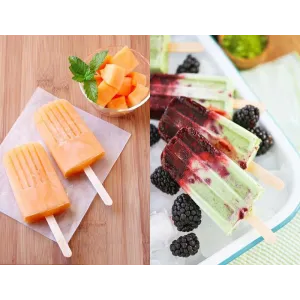
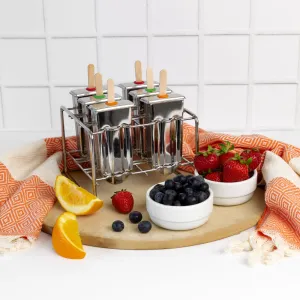
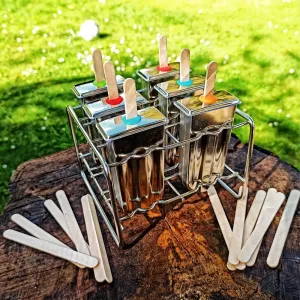
Make refreshing homemade popsicle or ice cream easily with these durable stainless steel moulds and convenient rack set.
EcoWarehouse stocks fermentation supplies and make-your-own kits for NZ households, including bokashi systems, kombucha kits, sauerkraut crocks, and kefir supplies. Making your own fermented foods reduces packaging waste, costs less over time, and produces foods with superior probiotic content compared to commercial alternatives.
Frequently asked questions
Common fermented foods for home production include kombucha (fermented sweet tea), sauerkraut (fermented cabbage), kefir (fermented milk or water), kimchi (fermented vegetables), sourdough (naturally fermented bread), and yoghurt. Each requires a different starter culture or process. EcoWarehouse stocks cheesecloth and muslin for straining and fermentation projects. For starter cultures, SCOBYs, and fermentation crocks, check specialty fermentation or health food stores in NZ.
Yes, when made following correct hygiene and fermentation practices. Use clean equipment, maintain the correct sugar-to-water ratio, and ferment at the right temperature (ideally 23 to 27 degrees Celsius). A properly fermented kombucha has a pH below 3.5, which inhibits harmful bacterial growth. Starter kits and SCOBYs are available from NZ fermentation suppliers and health food stores.
You need a large glass jar (2 to 5 litres), a breathable cloth cover (muslin or cotton), a rubber band, a SCOBY with starter liquid, organic black or green tea, and sugar. A thermometer and pH strips are useful for monitoring. EcoWarehouse stocks cheesecloth and muslin suitable for kombucha brewing. SCOBYs and fermentation starter kits are available from NZ fermentation specialists and health food stores.
Homemade sauerkraut uses only cabbage and salt and relies on wild lactobacillus bacteria naturally present on the cabbage. It is unpasteurised, meaning the live beneficial bacteria are still active. Commercial sauerkraut is often pasteurised to extend shelf life, which kills the beneficial bacteria. For probiotic benefit, homemade or refrigerated raw sauerkraut is significantly more effective.
A sourdough starter is a fermented mixture of flour and water that captures wild yeast and lactobacillus bacteria from the environment. It acts as the leavening agent for sourdough bread. Maintenance involves regular feeding: discard half the starter, then add fresh flour and water in equal weight. At room temperature it needs feeding every 12 to 24 hours; in the fridge, once a week.
Yes, significantly. Homemade kombucha costs approximately 50 cents per litre in ingredients compared to $8 to $15 per litre for commercial kombucha. Homemade sauerkraut from one cabbage costs around $1 to $2 and produces 1 to 2 litres. The main investment is time and basic equipment such as a glass jar and muslin cloth, both of which pay for themselves within a few batches.
*Note: Free shipping applies to all first-time orders within New Zealand.
For bulky items or rural delivery, there will be a small surcharge to help us cover the higher courier fees.
It is our responsibility to protect your privacy and we guarantee that your data will be completely confidential.
Please sign in first.
Sign in
Create a free account to use wishlists.
Sign inPlease sign in first.
Sign in