NZ$39.90
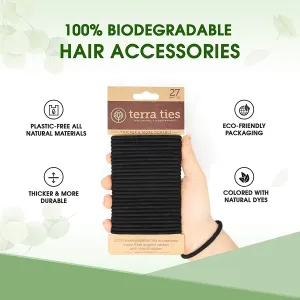
Eco-friendly hair ties made from 100% organic, biodegradable materials for a gentle hold and sustainable style.
EcoWarehouse stocks sustainable hair accessories as plastic-free alternatives to conventional synthetic hair ties, clips, and pins. The range includes natural rubber hair ties, wooden hair clips, and metal pins. Most conventional hair ties are made from synthetic elastics that shed microplastics and are difficult to recycle. Natural rubber alternatives biodegrade at end of life.
Frequently asked questions
Yes. Fabric-covered elastics and natural alternative hair ties are gentler on hair than bare synthetic elastics. They cause less breakage, fewer creases, and less snagging than conventional hair ties with metal crimps. Spiral hair ties are another gentle option. Natural rubber hair ties biodegrade at end of life and do not shed microplastics, making them the most eco-friendly choice where available.
Conventional synthetic elastic hair ties can cause breakage at the point of the tie, particularly when hair is wet or when the tie is removed quickly. The metal crimps on conventional elastics are a significant cause of hair breakage. Spiral hair ties, fabric-covered elastics, and natural rubber alternatives are all gentler options.
The most eco-friendly hair accessories are those made from natural or long-lasting materials: wooden or natural resin hair clips and slides, metal bobby pins (recyclable), and fabric-covered or natural hair ties rather than bare synthetic elastics. Metal and wooden accessories last significantly longer than plastic equivalents and create far less waste.
Keep hair ties away from heat, direct sunlight, and oily hair products, all of which accelerate degradation. Store them loosely rather than stretched around a wrist or compressed. Metal clips and pins last indefinitely with normal use. Wooden accessories benefit from occasional treatment with a small amount of natural oil to prevent drying and cracking.
Most conventional plastic hair accessories including hair ties, clips, and pins are not recyclable through NZ kerbside collection. The mixed materials (elastic, plastic, metal) make them difficult to recycle. Natural and metal alternatives are a better choice: natural materials compost and metals can be recycled.
*Note: Free shipping applies to all first-time orders within New Zealand.
For bulky items or rural delivery, there will be a small surcharge to help us cover the higher courier fees.
It is our responsibility to protect your privacy and we guarantee that your data will be completely confidential.
Please sign in first.
Sign in
Create a free account to use wishlists.
Sign inPlease sign in first.
Sign in