NZ$58.90
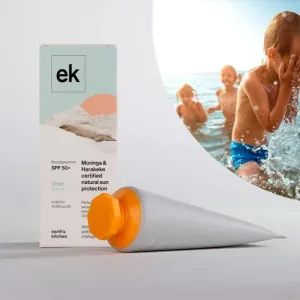
Biogro Certified Natural Sunscreen SPF50 offers powerful, gentle protection for sensitive adult skin in all conditions.
EcoWarehouse stocks mineral sunscreens for NZ conditions, using zinc oxide and titanium dioxide as active ingredients. Mineral sunscreens sit on the skin surface rather than absorbing into the bloodstream, have a strong safety record for children and adults, and do not contain oxybenzone, which is harmful to coral reefs.
Frequently asked questions
Mineral sunscreens use zinc oxide or titanium dioxide to physically reflect UV rays off the skin surface. Chemical sunscreens use synthetic compounds including oxybenzone, avobenzone, and octinoxate to absorb UV and convert it to heat. Mineral sunscreens are generally considered safer for sensitive skin, children, and marine environments. They provide protection immediately on application.
Older mineral sunscreen formulas were prone to white cast due to the particle size of zinc oxide. Modern formulas use micronised zinc oxide or tinted options to minimise this significantly. Current-generation mineral sunscreens from quality brands have minimal white cast and are suitable for all skin tones.
Oxybenzone is a chemical UV filter found in many conventional sunscreens that has been detected in coral reef environments and shown to cause coral bleaching and endocrine disruption in marine organisms even at very low concentrations. It is also absorbed into the bloodstream through skin at concentrations above FDA safety thresholds. Mineral sunscreens using zinc oxide do not share these concerns.
The New Zealand Melanoma Network recommends SPF 30 or higher for everyday use. SPF 50+ is recommended for extended outdoor activities, water sports, and high UV-index days (UV index above 8, which is common in NZ summer). Reapply every two hours and after swimming or sweating regardless of SPF rating.
Yes. Mineral sunscreen using non-nano zinc oxide is the recommended type for babies from 6 months of age. It sits on the skin surface rather than absorbing into the bloodstream, does not require activation time, and is significantly less likely to cause skin irritation than chemical sunscreen. For babies under 6 months, shade and protective clothing are preferred over any sunscreen.
Reef-safe sunscreen avoids chemical UV filters (particularly oxybenzone and octinoxate) that have been shown to harm coral reefs. Mineral sunscreens using zinc oxide or titanium dioxide are considered reef-safe. Some destinations including Hawaii and Palau have banned oxybenzone and octinoxate-based sunscreens. When swimming in NZ coastal or reef environments, mineral sunscreen is the responsible choice.
*Note: Free shipping applies to all first-time orders within New Zealand.
For bulky items or rural delivery, there will be a small surcharge to help us cover the higher courier fees.
It is our responsibility to protect your privacy and we guarantee that your data will be completely confidential.
Please sign in first.
Sign in
Create a free account to use wishlists.
Sign inPlease sign in first.
Sign in