NZ$26.90
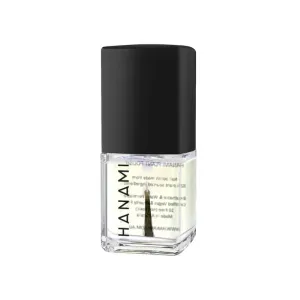
Hanami Plant Polish. Non-Toxic, Breathable Nail Polish.
EcoWarehouse stocks nail polish formulated without the most harmful conventional solvents. Free from formaldehyde, toluene, DBP, camphor, and formaldehyde resin, these are often called "5-free" or "10-free" formulas. They perform comparably to conventional nail polish.
Frequently asked questions
Five-free nail polish is formulated without five historically problematic ingredients: formaldehyde (a carcinogen used as a hardener), toluene (a neurotoxin used as a solvent), dibutyl phthalate — DBP (an endocrine disruptor), formaldehyde resin (a sensitiser), and camphor (toxic if absorbed in large amounts). Ten-free formulas additionally remove parabens, synthetic fragrances, ethyl tosylamide, xylene, and acetone.
Modern 5-free and 10-free nail polishes perform comparably to conventional polish for chip resistance and longevity. Earlier generations of "free" polishes had durability issues, but current formulations have largely resolved this. Application technique — thin coats, a base coat, and a topcoat — has more impact on longevity than the formula.
Many nail polish ingredients, particularly toluene, formaldehyde, and DBP, are best avoided during pregnancy due to potential developmental and hormonal effects. Five-free and ten-free polishes that remove these ingredients are a safer choice. Ensure good ventilation when applying any nail polish.
Acetone is effective but harsh and drying to nails and surrounding skin. Acetone-free removers using ethyl acetate or soy-based solvents are gentler. Avoid removers with synthetic fragrance and artificial dyes. Follow any nail polish remover with a moisturising nail and cuticle oil to restore moisture to the nail.
Apply a base coat first (protects nails and improves adhesion), apply two thin coats of colour rather than one thick coat (thinner coats dry more evenly and chip less), and apply a topcoat. Reapply the topcoat every two to three days. Avoid getting hands in hot water immediately after painting, which softens polish.
*Note: Free shipping applies to all first-time orders within New Zealand.
For bulky items or rural delivery, there will be a small surcharge to help us cover the higher courier fees.
It is our responsibility to protect your privacy and we guarantee that your data will be completely confidential.
Please sign in first.
Sign in
Create a free account to use wishlists.
Sign inPlease sign in first.
Sign in