
NZ$6.90
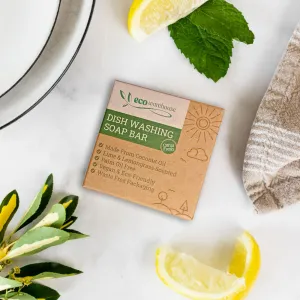
Powerful dish soap that cuts grease and leaves your dishes sparkling clean with a fresh, pleasant lime and lemongrass scent.
EcoWarehouse stocks plant-based and natural dish soaps in bar and liquid form, free from synthetic fragrance, SLS, and unnecessary preservatives. Bar format dish soaps eliminate plastic bottle waste entirely and are highly concentrated, lasting longer per gram than liquid equivalents. All products are safe for septic tanks and greywater systems.
Frequently asked questions
Yes. Dish soap bars lather well with a wet brush or cloth and cut grease effectively. The main adjustment is application: wet the brush or cloth first, rub against the bar to load it with soap, then wash as normal. Most people find the switch natural within one or two uses. A bar also lasts longer per gram than most liquid dish soaps.
Yes. Plant-based dish soaps without synthetic surfactants biodegrade readily and do not disrupt the bacterial activity in septic systems. Conventional dish soaps containing synthetic surfactants and preservatives can accumulate in septic systems over time and reduce their efficiency.
Dish soaps without SLS (sodium lauryl sulphate), synthetic fragrance, and synthetic preservatives are significantly gentler on sensitive skin. Look for soaps using plant-derived surfactants such as coco glucoside or decyl glucoside, and essential oils rather than synthetic fragrance. Bar soap formats typically have simpler ingredient lists than liquid dish soaps.
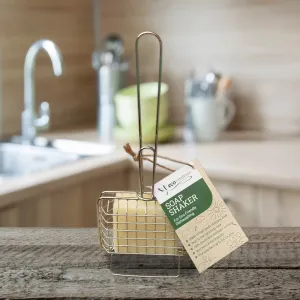
Store the bar on a draining soap dish or in a soap saver bag between uses so it dries out completely rather than sitting in water. A bar that stays dry between uses can last twice as long as one sitting in standing water. Keep it away from the direct flow of the tap.
The most commonly flagged ingredients in conventional dish soaps are SLS and SLES (surfactants that can irritate skin and are slow to biodegrade in some forms), synthetic fragrance (undisclosed chemical mixture), triclosan (antibacterial agent linked to antibiotic resistance), and phosphates (cause algal blooms in waterways). Natural dish soaps avoid all of these.
*Note: Free shipping applies to all first-time orders within New Zealand.
For bulky items or rural delivery, there will be a small surcharge to help us cover the higher courier fees.
It is our responsibility to protect your privacy and we guarantee that your data will be completely confidential.
Please sign in first.
Sign in
Create a free account to use wishlists.
Sign inPlease sign in first.
Sign in