NZ$23.90
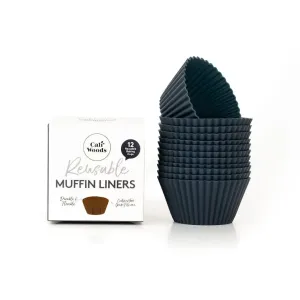
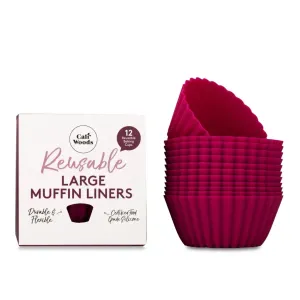
Large Reusable Silicone Muffin & Cupcake Liners. Non-Stick, BPA-Free, Pack of 12
EcoWarehouse stocks plastic-free and low-waste kitchen essentials for NZ households, covering food storage and wrapping, dish brushes and scrubbers, dish soaps, baking supplies, drinkware, utensils, tea and coffee, and fermentation supplies. Every product is chosen to replace single-use plastic or chemical-heavy alternatives with durable, natural options.
The kitchen is typically the highest-plastic room in the home. Cling wrap, plastic zip bags, synthetic sponges, plastic dish brushes, plastic-bottled dish soap, and single-use coffee pods all generate significant waste. Most have straightforward replacements that are equally practical and often more durable.
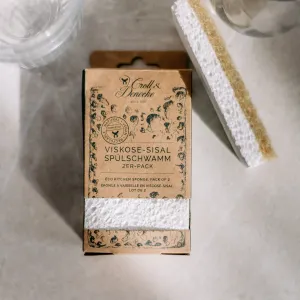
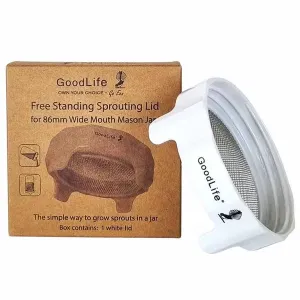
Food storage and wrapping covers beeswax wraps, silicone lids, reusable zip bags, glass containers, and stainless steel options. Dish brushes are wooden with natural fibre bristles and replaceable heads. Dish soap comes in bar and liquid form with plant-based ingredients. Drinkware covers stainless steel and glass bottles, reusable coffee cups, and stainless steel straws. For baking, we stock reusable baking mats, unbleached baking paper, and silicone moulds. Fermentation supplies include bokashi systems, kombucha kits, and sauerkraut crocks.
Frequently asked questions
Beeswax wraps are the most popular cling wrap alternative at EcoWarehouse. They are reusable, compostable at end of life, and work well for covering bowls and wrapping most foods. Reusable silicone bags are a strong complementary option for snacks and sandwiches. Beeswax wraps should not be used with raw meat or in the microwave.
With proper care, yes. The key is allowing the brush to air dry between uses rather than leaving it sitting in water. Store it bristles-down or on its side so water drains away from the head. Wooden brushes with replaceable heads are more economical over time: only the bristle head needs replacing when it wears out, not the whole brush.
No. Beeswax wraps should be washed in cool or lukewarm water with mild soap and air dried. Heat melts the wax coating. They are not suitable for use with raw meat, in the microwave, or in the dishwasher. With proper care they typically last 12 months or more of regular use.
For the fridge: beeswax wraps for covering bowls and produce, and reusable silicone bags for snacks and leftovers. For packed lunches: stainless steel lunchboxes and reusable silicone bags. For hot food and meal prep: stainless steel containers are the safest option. EcoWarehouse stocks beeswax wraps, Stasher silicone bags, and stainless steel lunchboxes.
Yes. Food-grade stainless steel (18/8 or 304) is one of the safest materials for food contact. It contains no BPA or other plasticisers, does not leach chemicals into food, does not absorb flavours or odours, and is dishwasher safe. Stainless steel is particularly recommended for hot foods where plastic containers are most likely to leach.
The most sustainable home brewing methods produce no ongoing waste beyond coffee grounds, which compost readily. A plunger, moka pot, or pour-over with a reusable cloth or stainless steel filter are all zero-waste options. Single-use pod machines generate significant ongoing plastic and aluminium waste even with recycling schemes. EcoWarehouse stocks stainless steel tea infusers; for zero-waste coffee brewing equipment check specialty kitchen stores.
*Note: Free shipping applies to all first-time orders within New Zealand.
For bulky items or rural delivery, there will be a small surcharge to help us cover the higher courier fees.
It is our responsibility to protect your privacy and we guarantee that your data will be completely confidential.
Please sign in first.
Sign in
Create a free account to use wishlists.
Sign inPlease sign in first.
Sign in