NZ$12.72
NZ$15.90
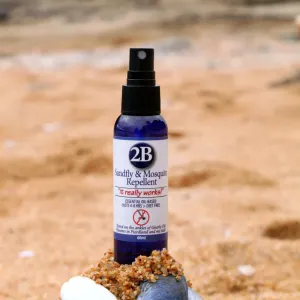
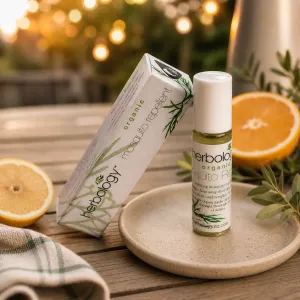
Natural, effective mosquito repellent made from organic oils that keeps bugs away gently and safely for your whole family.
EcoWarehouse stocks sustainable outdoor and camping products for NZ adventurers, including natural insect repellent, biodegradable soap, reusable drinkware, beeswax food wraps for camp cooking, and eco-friendly outdoor accessories. All products are chosen to leave less behind in the natural environments you're heading into.
Conventional outdoor and camping products often rely heavily on single-use plastics, synthetic chemical repellents, and non-biodegradable soaps that contaminate waterways. New Zealand's backcountry and coastal environments are particularly sensitive. Choosing biodegradable soap, DEET-free insect repellent, and reusable gear reduces your footprint in the places that matter most.
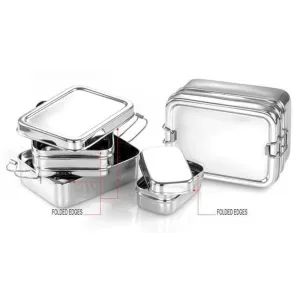
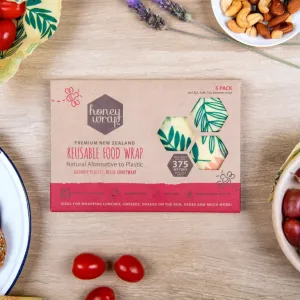
Natural insect repellent using plant-based actives including lemon eucalyptus oil, effective against NZ sandflies and mosquitoes. Biodegradable soap safe for use near waterways. Stainless steel drink bottles and reusable food storage for camp kitchens. Beeswax wraps for wrapping food without plastic. Bamboo cutlery sets for pack-in pack-out meals.
Frequently asked questions
Biodegradable soap breaks down naturally but still requires dilution to do so without environmental impact. The recommended practice is to wash at least 50 metres from any waterway and allow soapy water to filter through soil before it reaches a stream. Even biodegradable soap used directly in a river can affect aquatic life in concentrated form.
Lemon eucalyptus oil (PMD) is the most effective plant-based active against NZ sandflies and has research support comparable to low-concentration DEET. Citronella-based repellents provide some protection but generally require more frequent reapplication. In high-sandfly environments like Fiordland or the West Coast, reapply every one to two hours regardless of formula.
Yes. Natural repellents using lemon eucalyptus oil (PMD) have been shown in studies to provide meaningful protection against mosquitoes comparable to low concentrations of DEET. They are effective for typical NZ mosquito exposure. For high-density mosquito environments or extended outdoor activity, more frequent reapplication is needed compared to high-concentration synthetic repellents.
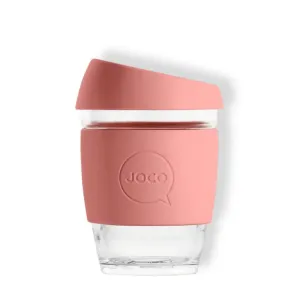
Key items for a low-impact NZ camping kit: biodegradable soap and shampoo bar, natural insect repellent, reusable stainless steel drink bottle, reusable food storage containers, beeswax wraps for packed food, bamboo cutlery, and a lightweight reusable coffee cup. These replace the main single-use plastic items from a typical camping trip.
DEET is moderately toxic to aquatic life and has been detected in NZ waterways. It is persistent in water and soil and accumulates in some aquatic organisms. For NZ's sensitive freshwater ecosystems, plant-based alternatives like lemon eucalyptus oil (PMD) are preferable where effective.
The core Leave No Trace principles relevant to NZ camping are: pack out all rubbish including food scraps, use biodegradable soap at least 50 metres from waterways, bury or pack out human waste, stay on designated tracks where possible, and avoid disturbing wildlife. DOC provides specific guidelines for different NZ environments at doc.govt.nz.
*Note: Free shipping applies to all first-time orders within New Zealand.
For bulky items or rural delivery, there will be a small surcharge to help us cover the higher courier fees.
It is our responsibility to protect your privacy and we guarantee that your data will be completely confidential.
Please sign in first.
Sign in
Create a free account to use wishlists.
Sign inPlease sign in first.
Sign in