NZ$20.50
Birthday Candles, 100% Natural NZ Beeswax
EcoWarehouse stocks a broad range of sustainable home products for NZ households, covering composting and gardening, rubbish and recycling solutions, reusable on-the-go items, candles and fragrance, outdoor and camping gear, pet products, pest control, and office supplies. Everything is chosen to reduce waste and replace conventional plastic-heavy alternatives.
Frequently asked questions
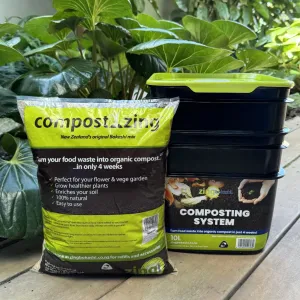
Bokashi is a Japanese fermentation method that uses beneficial microorganisms to ferment all food waste including meat, fish, dairy, and cooked food that conventional compost systems cannot handle. Food waste is layered with bokashi bran in a sealed bucket. After two to four weeks, the fermented material can be buried in the garden where it breaks down rapidly into a rich soil conditioner. The liquid produced during fermentation is a potent plant fertiliser when diluted with water.
It depends on the certification. Bin liners certified to AS/NZS 4736 or EN 13432 will break down in industrial composting facilities. Home compostability requires a separate certification. EcoWarehouse stocks liners with appropriate certifications, noted in each product listing. Check with your local council whether they accept compostable liners in the green waste bin.
Switching to a composting system is one of the highest-impact changes a NZ household can make. Food waste in landfill generates methane as it decomposes without oxygen. Composting or bokashi processing returns nutrients to soil instead. EcoWarehouse stocks bokashi systems that handle all food waste including meat and dairy, making composting practical for households with no outdoor space.
For ants, food-grade diatomaceous earth and natural barrier sprays are effective without synthetic residues. For flies and mosquitoes indoors, citronella and clove-based repellents work well. For rodents, humane live traps avoid poisons that can enter the food chain. EcoWarehouse stocks natural options across all common NZ household pest situations.
Biodegradable soap breaks down naturally but still requires dilution to do so without environmental impact. The recommended practice is to wash at least 50 metres from any waterway and allow the water to filter through soil before it reaches a stream or lake. Even biodegradable soap used directly in a river or lake can affect aquatic life in concentrated form.
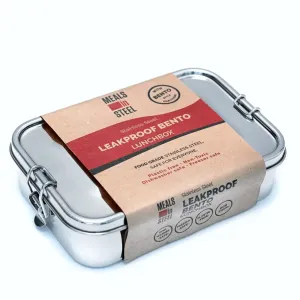
A reusable drink bottle eliminates the most plastic by volume. A reusable coffee cup eliminates the most single-use items per year for regular cafe visitors. A stainless steel lunchbox and reusable cutlery set eliminate plastic packaging from every meal eaten away from home. Together these four items can eliminate over 500 single-use plastic items per person per year.
*Note: Free shipping applies to all first-time orders within New Zealand.
For bulky items or rural delivery, there will be a small surcharge to help us cover the higher courier fees.
It is our responsibility to protect your privacy and we guarantee that your data will be completely confidential.
Please sign in first.
Sign in
Create a free account to use wishlists.
Sign inPlease sign in first.
Sign in