
NZ$14.90
NZ$15.50
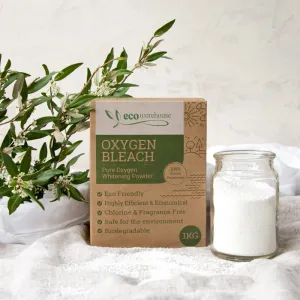
Oxygen Bleach is a highly effective chlorine and fragrance free pure oxygen whitening powder. 100% Sodium Percarbonate.
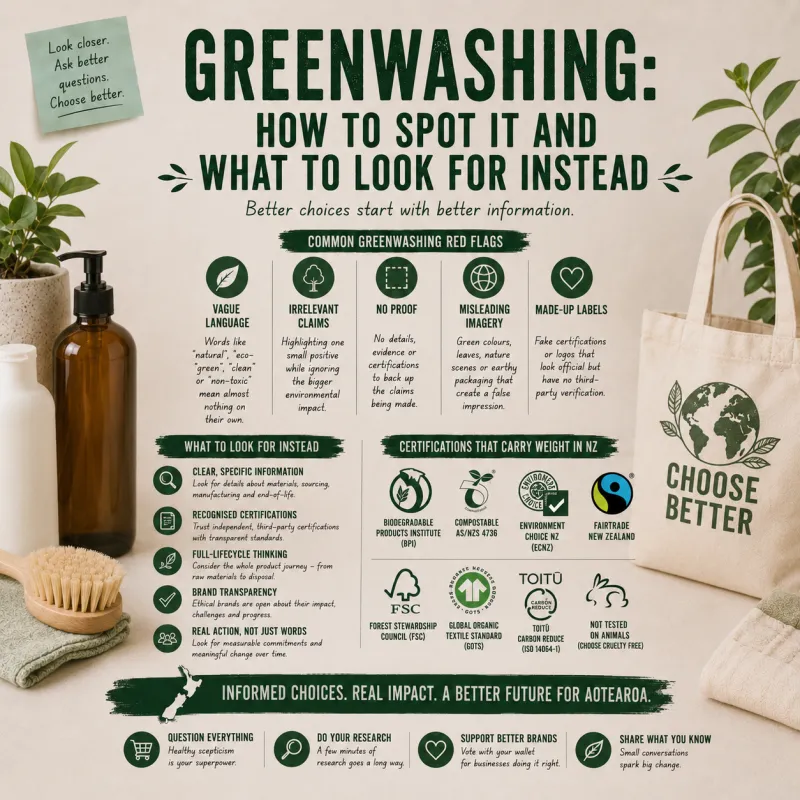
The sustainable products market has grown significantly over the past decade, and greenwashing has grown with it. If you've ever stood in a supermarket aisle looking at products covered in green leaves and words like "natural," "planet-friendly," and "eco-conscious" and wondered what any of it actually means, you're not alone.
Greenwashing is when a company overstates or misrepresents the environmental benefit of a product or practice. It's usually not outright lying. It's more often strategic vagueness, selective claims, or the use of imagery and language designed to trigger positive associations without making specific, verifiable claims.
Vague environmental claims are the most common. "Natural," "eco," "green," and "sustainable" have no legal definition in New Zealand in the context of product marketing. Any company can print them on any product. They convey a feeling of environmental responsibility without making any specific claim that can be checked.
Irrelevant claims are another common tactic. "CFC-free" sounds impressive until you remember that CFCs have been banned for decades and no product in that category contains them. Claiming a product is "free from" something that was never a legal ingredient is not a genuine environmental benefit.
Hidden trade-offs happen when a product is presented as sustainable on one dimension while ignoring significant impacts on others. A cleaning product might claim to be "made from plant-based ingredients" without mentioning that it arrives in a non-recyclable plastic bottle, is manufactured using energy-intensive processes, and is formulated with synthetic fragrances that persist in waterways.
Certification washing uses certifications that sound authoritative but are self-issued, unverified, or irrelevant. "Certified natural" from a body created by the company that owns the product means nothing. Third-party certifications from independent bodies mean something.
For organic products, look for certifications from BioGro NZ or AsureQuality. These are independently audited.
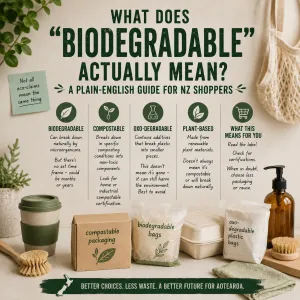
For home-compostable products, the Australasian Bioplastics Association (ABA) certification is the relevant standard, with separate marks for industrial and home composting.
For cleaning products, the Environmental Choice NZ label is a verified, government-backed ecolabel that sets specific performance and environmental criteria.
For food contact products and personal care items, certifications from bodies like NATRUE, COSMOS, or Ecocert provide some assurance on ingredient sourcing and formulation standards.
Many genuinely good small-brand sustainable products don't carry formal certifications, because certification costs money and takes time, and small producers often can't access it. In these cases, the things worth looking for are specific ingredient lists (can you look up every ingredient and understand what it is?), specific claims about packaging (what percentage is recycled content, is it kerbside recyclable in NZ?), and transparency from the brand about their supply chain and manufacturing.
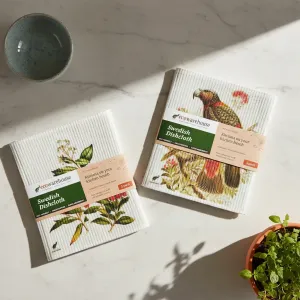
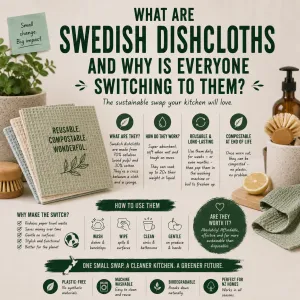
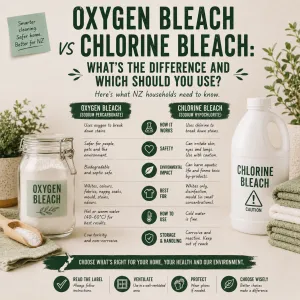
At EcoWarehouse, we've been curating our product range since 2006. We don't stock products just because they look green. We look at ingredients, packaging, manufacturing practices, and the actual environmental benefit against the conventional alternative. Products like our oxygen bleach, soapnut shells, and Swedish dishcloths have well-understood environmental profiles that we can describe specifically, not just in marketing language.
If you ever want to know more about a specific product in our range, get in touch. We're happy to share what we know.
*Note: Free shipping applies to all first-time orders within New Zealand.
For bulky items or rural delivery, there will be a small surcharge to help us cover the higher courier fees.
It is our responsibility to protect your privacy and we guarantee that your data will be completely confidential.
Please sign in first.
Sign in
Create a free account to use wishlists.
Sign inPlease sign in first.
Sign in