NZ$4.30
Eco-friendly bamboo toothbrush with activated charcoal infused bristles. Designed for kids, gentle on teeth and kind to the planet.
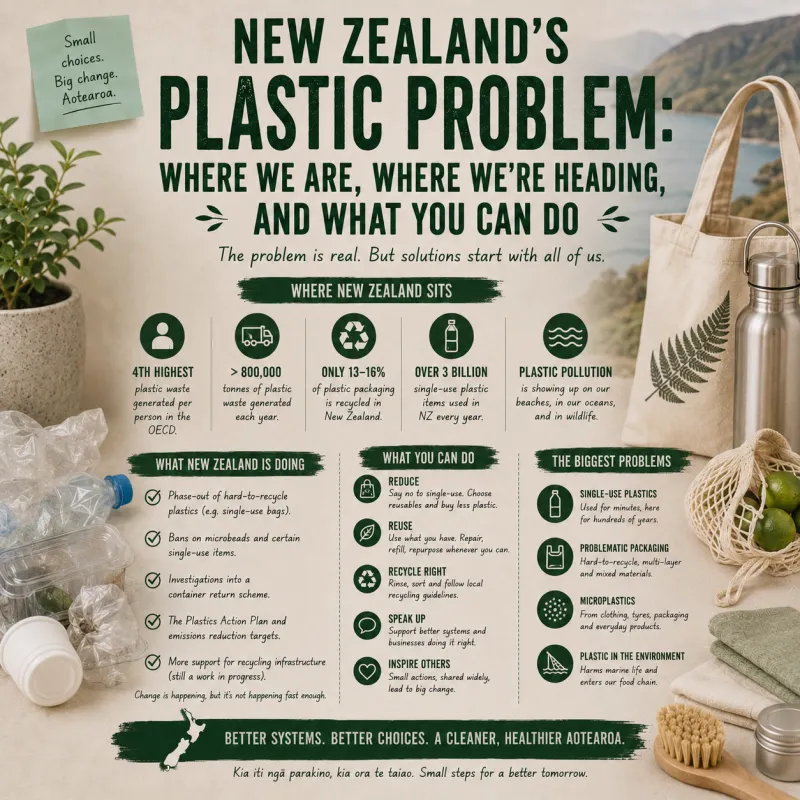
New Zealand has a bit of a complicated relationship with its environmental reputation. The clean, green image is real in some respects and not at all in others. Plastic waste is one area where the gap between image and reality has historically been significant.
The phase-out of single-use plastic items that began with plastic shopping bags has continued, with single-use plastic produce bags, cutlery, plates, straws, and various other items now banned or being phased out. That progress is genuine and worth acknowledging. But bans on specific items are only part of the picture.
Most plastic waste doesn't come from the obviously disposable items. Packaging on food and household products accounts for a large share of what ends up in the kerbside recycling bin (or the landfill bin, because recycling in NZ has significant limits). Plastic film, flexible packaging, and multi-layer materials are largely unrecyclable through kerbside collection. Soft plastics can be dropped off at participating supermarkets, but the rate of recovery is still low relative to the amount produced.
Microplastics are a growing concern. These come from larger plastic items breaking down over time, from synthetic clothing fibres released during washing, and from various other sources. They've been detected in NZ waterways, soils, and in marine life.
There's a genuine debate about whether individual consumer choices make a meaningful difference when most plastic waste comes from industrial and commercial sources. The answer is probably: yes, individual choices matter, but mainly through two mechanisms that go beyond the direct waste reduction.
The first is purchasing signal. When enough people choose plastic-free products, manufacturers change their packaging. This has already happened with shopping bags (most supermarkets now charge for them), and it's happening slowly with other packaging categories. Your purchase of a bamboo toothbrush instead of a plastic one is a small data point, but aggregated across enough households it moves markets.
The second is direct impact on your own household's waste stream. This is real and immediate. If your household stops buying single-use plastic items and replaces them with reusable alternatives, the amount of plastic your household sends to landfill drops substantially.
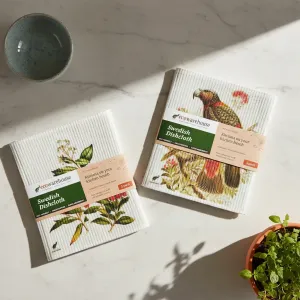
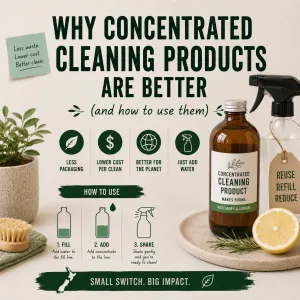
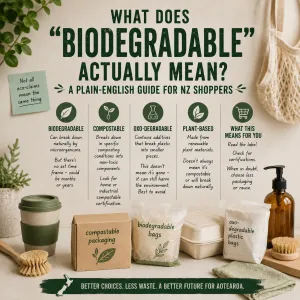
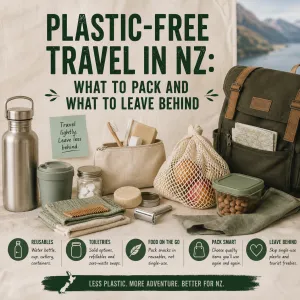
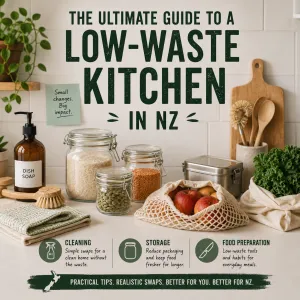
The highest-impact swaps for a typical NZ household are laundry and cleaning products (switching to concentrated, plastic-free formats like soap nuts, oxygen bleach, and laundry strips), bathroom products (solid bars instead of pump bottles), food storage (beeswax wraps and reusable bags instead of plastic film and single-use bags), and kitchen tools (wooden brushes, natural fibre scrubbers, and Swedish dishcloths instead of plastic tools and paper towels).
None of these require sacrifice. The alternatives work at least as well, often better, and most of them save money over time.
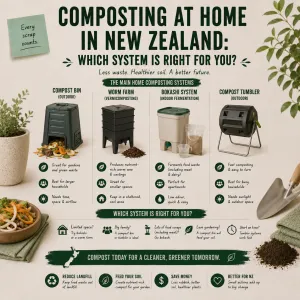
Around a third of household waste by weight is organic material that could be composted instead of landfilled. Organic waste in landfill produces methane, a potent greenhouse gas. Composting the same material produces soil amendment and no methane. A bokashi system or a backyard compost bin, or both, handles most household food waste and makes a real difference to both your household's waste output and its climate footprint.
The plastic problem in NZ isn't going to be solved by individuals alone, but individuals making considered choices add up to something real. Every household that reduces its plastic purchases is one fewer household contributing to the demand signal that keeps plastic packaging the default option.
Browse sustainable living products at ecowarehouse.nz.
*Note: Free shipping applies to all first-time orders within New Zealand.
For bulky items or rural delivery, there will be a small surcharge to help us cover the higher courier fees.
It is our responsibility to protect your privacy and we guarantee that your data will be completely confidential.
Please sign in first.
Sign in
Create a free account to use wishlists.
Sign inPlease sign in first.
Sign in