
NZ$14.90
NZ$15.50
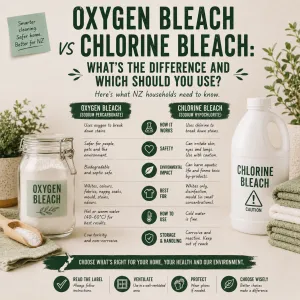
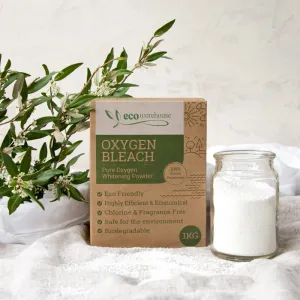
Oxygen Bleach is a highly effective chlorine and fragrance free pure oxygen whitening powder. 100% Sodium Percarbonate.
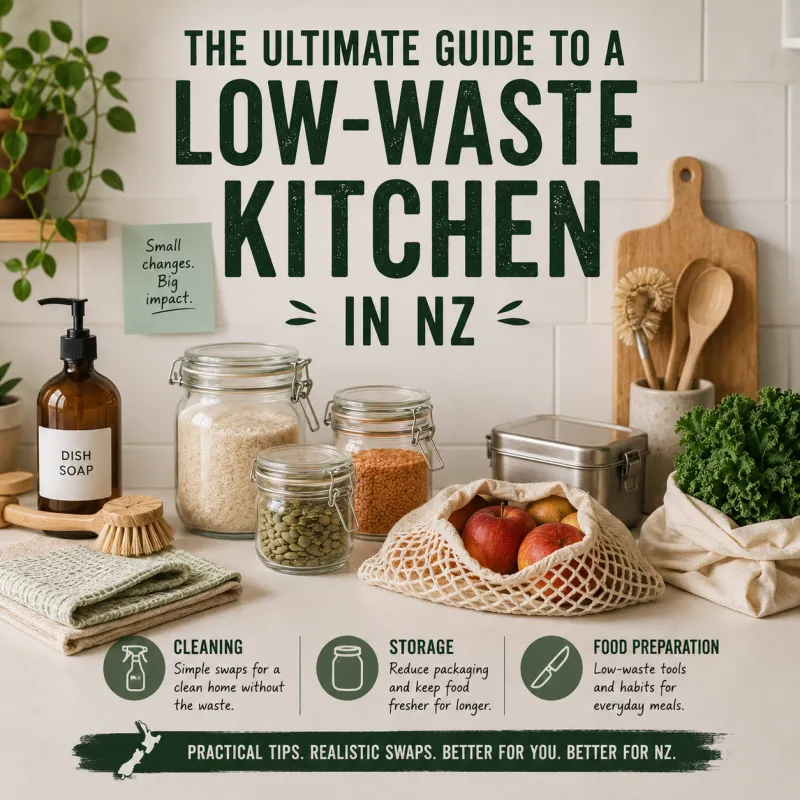
The kitchen is where most household waste happens. Food packaging, disposable cloths, plastic bags, plastic wrap, non-recyclable containers. It's also where most of the impact from switching to a more sustainable lifestyle comes from. Sorting out the kitchen does more per dollar than almost any other change you can make at home.
This guide covers the key areas: cleaning, storage, and food preparation. None of it requires spending a lot of money, and most of the swaps pay for themselves within a few months.
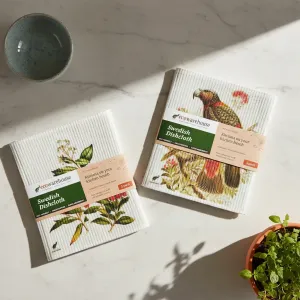
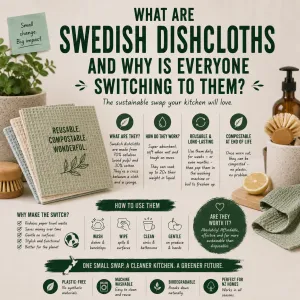
The biggest shift is moving away from disposable cleaning products. Paper towels and plastic-backed sponges are the main culprits. A Swedish dishcloth replaces both. It looks like a thin cloth when dry, soaks up water like a sponge when wet, and can be rinsed or thrown in the wash to sanitise. One Swedish dishcloth replaces around 17 rolls of paper towels over its lifespan. That alone is a significant reduction.
For dish washing, a wooden dish brush with a replaceable head means the handle lasts for years and only the bristle head gets swapped out. Wooden dish brushes with natural fibre bristles clean as well as plastic ones, and they dry quickly between uses, which means they don't get slimy the way plastic sponges can.
Cleaning the bench and stovetop only needs a good all-purpose cleaner and a cloth. The Manuka Hydrosol Natural Cleaning Spray is a good example, with a concentrate refill so you're not buying a new bottle each time.
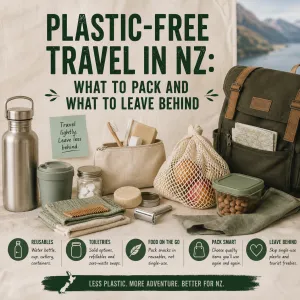
Plastic bags and cling wrap have two good replacements. Beeswax wraps handle covering bowls and wrapping food, and they're washable and reusable for a year or more. For bags, reusable silicone bags work for dry goods, snacks, and packed lunches.
Glass jars are the workhorse of a low-waste pantry. They seal well, you can see what's inside, they don't absorb smells, and they last basically forever. Repurposing pasta sauce jars and jam jars is free. Stainless steel containers are good for items that need a more durable option.
At the supermarket, organic cotton mesh produce bags mean you never need the thin plastic bags from the roll. They weigh almost nothing, so they don't affect the produce price, and they wash easily.
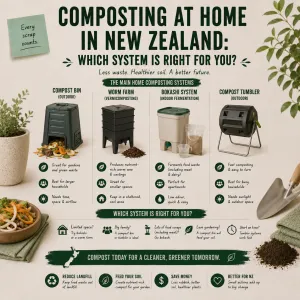
Packaging waste and food waste are closely linked. Buying in bulk reduces packaging, but it only helps if you actually use what you buy. A good pantry storage system means you can see what you have, which reduces the chances of buying duplicates or letting things expire. A bokashi composting system handles food scraps that can't go into a regular compost bin, including cooked food, meat, and dairy. It's a sealed indoor system, which makes it practical even for smaller homes.
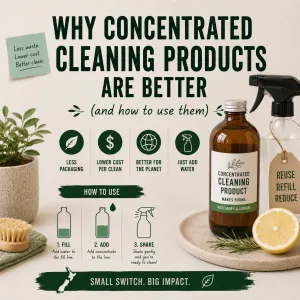
Switching to concentrated or powdered cleaning products dramatically reduces packaging. Oxygen bleach powder (sodium percarbonate) handles stain removal, whitening, and general cleaning without chlorine or synthetic fragrance. It dissolves in water, activates with the oxygen in the water, and breaks down safely after use. A 1kg bag replaces many plastic bottles of bleach over its life.
Soapnut shells are the most low-waste laundry option available in NZ. They're dried fruit shells that produce natural saponin when wet, which acts as a surfactant and cleans the laundry. They compost after use. A 1kg bag gets through a significant number of washes and costs less per load than most conventional detergents.
A low-waste kitchen doesn't happen overnight, but each swap reduces both waste and cost. Start with the cleaning products, which are used up and replaced fastest, then work through storage over time.
Explore the kitchen and cleaning range at ecowarehouse.nz.
*Note: Free shipping applies to all first-time orders within New Zealand.
For bulky items or rural delivery, there will be a small surcharge to help us cover the higher courier fees.
It is our responsibility to protect your privacy and we guarantee that your data will be completely confidential.
Please sign in first.
Sign in
Create a free account to use wishlists.
Sign inPlease sign in first.
Sign in