NZ$10.90
Durable wooden nailbrush with firm bristles for effective cleaning and gentle care of nails and skin.
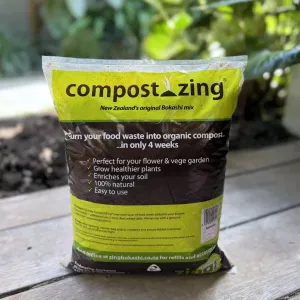
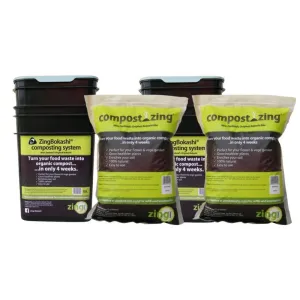
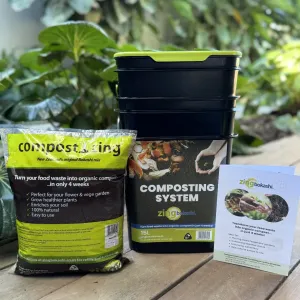
EcoWarehouse stocks composting systems and gardening supplies for NZ households, with a particular focus on the ZingBokashi NZ range of bokashi composting systems. Bokashi is an indoor fermentation method that processes all food waste including meat and dairy, producing a soil conditioner and liquid fertiliser. The range also includes compost bins, worm farm supplies, and garden tools.
Frequently asked questions
Bokashi uses beneficial microorganisms to ferment all food waste in a sealed bucket. Unlike conventional composting, bokashi handles meat, fish, dairy, and cooked food. After two to four weeks of fermentation, the material is buried in the garden where it breaks down quickly into a rich soil conditioner. The bokashi liquid produced during the process is diluted and used as a plant fertiliser.
EcoWarehouse stocks the full ZingBokashi NZ range including starter kits, replacement buckets in different sizes, bokashi bran in 1kg and 3kg bags, and accessories. Available online at ecowarehouse.nz with NZ-wide shipping.
Not in conventional compost. Meat and dairy attract pests and create odours in open compost systems. Bokashi composting is specifically designed for all food waste including meat, fish, dairy, and cooked food. It ferments rather than decomposes, so there is no odour and no pest attraction during the process.
Add a small handful of bokashi bran to the bucket after each addition of food waste. The ratio is approximately one part bran to every ten parts food waste by weight. A 1kg bag of bokashi bran typically lasts one to two months for a household of four.
Dilute the bokashi liquid at approximately 1:100 with water (one capful per watering can) and apply to garden beds, lawns, and potted plants. It is high in beneficial microorganisms and nutrients. Undiluted, it can be poured down drains as a natural drain cleaner and deodoriser.
When used correctly, bokashi smells mildly sour or fermented — similar to vinegar or pickles. It should not smell rotten or putrid. Bad odours indicate the bucket is not sealed properly, too much liquid has accumulated without drainage, or the bran ratio is too low. Keeping the lid tightly sealed between uses prevents any noticeable smell.
*Note: Free shipping applies to all first-time orders within New Zealand.
For bulky items or rural delivery, there will be a small surcharge to help us cover the higher courier fees.
It is our responsibility to protect your privacy and we guarantee that your data will be completely confidential.
Please sign in first.
Sign in
Create a free account to use wishlists.
Sign inPlease sign in first.
Sign in